

Fintech PR Unfiltered
Anna Fedorova
Independent Communications Consultant
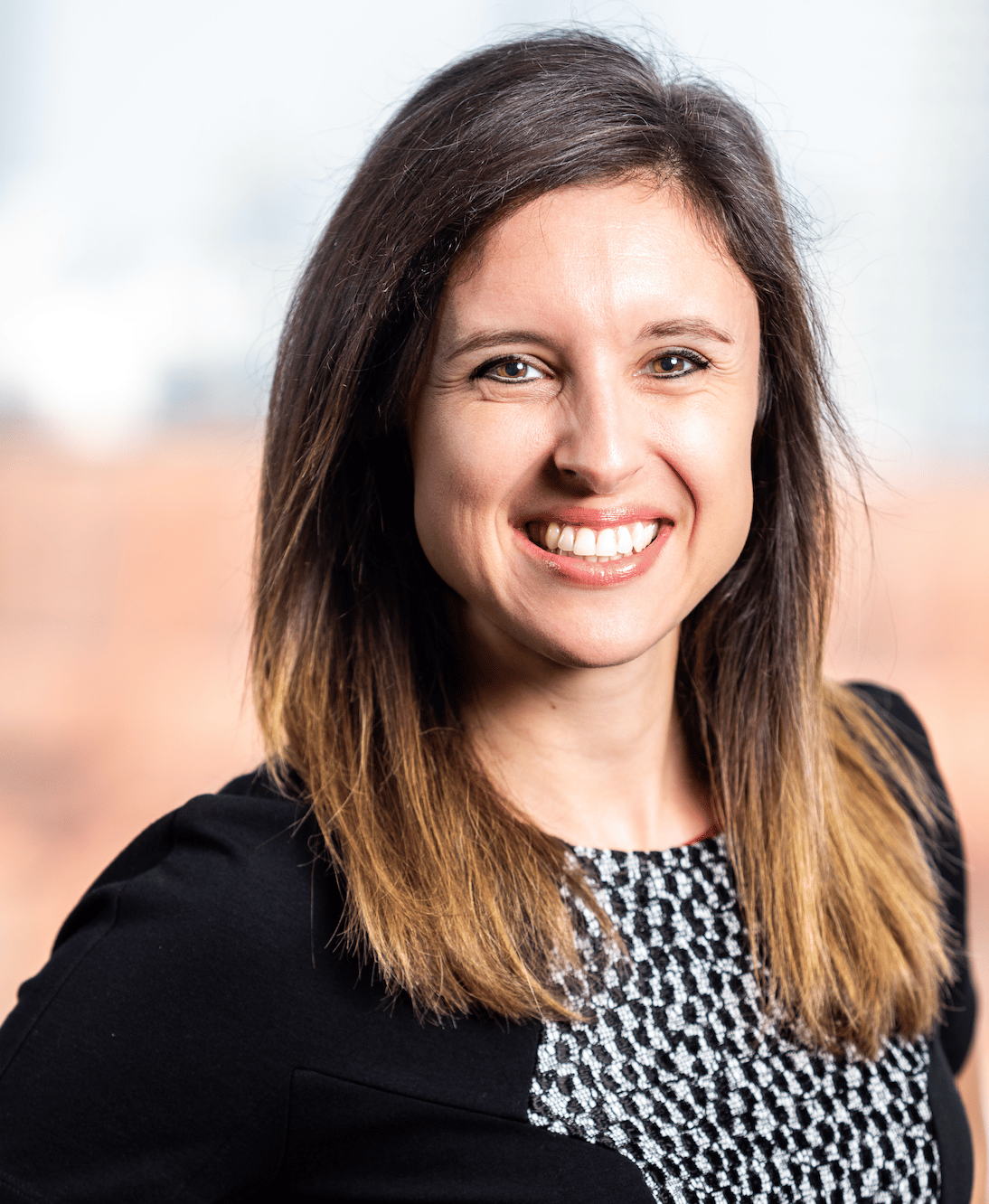
Anna Fedorova sits at the intersection of DeFi and traditional finance. In this week's Fintech PR Unfiltered, she shares her expertise on getting your message across in a crowded market.

Public relations is one of fintech's most misunderstood disciplines. In Fintech PR Unfiltered, the best PRs in the business talk candidly about the joys, stresses, and myths that surround fintech publicity.
Think you know PR? It may be time to think again.
There are no easy shortcuts to PR success, and anyone who tells you there are is lying.
Who are you?
Anna Fedorova, Independent Communications Consultant. Former Managing Director and Co-Founder at Block3 PR, a boutique crypto PR consultancy.
Describe your PR firm in one sentence. What makes it different?
Profile building for fintech executives, by someone who spent years on the other side of the inbox.
Who is your typical client?
My typical client sits at the intersection of digital assets and traditional finance: fintech or crypto analysts, RWA platforms, stablecoin or Bitcoin project founders who want to build their personal brand via an integrated approach between traditional and social media.
I work very closely with my clients, so I only ever have a maximum of three at a time.
Fintech is a crowded and noisy sector. How can founders cut through when everyone claims to be "revolutionising" something?
Well, for one thing, never use the word "revolutionise". It's one of the first words I banned when ChatGPT came along.
Have something interesting to say, have an actual point of view that isn't just dictated to you by an LLM. Don't view PR as an afterthought: put time and effort into journalist relationships and be useful to them before you need something from them. There are no easy shortcuts to PR success, and anyone who tells you there are is lying.
What's the single biggest misconception founders have about what PR actually does?
Founders often think that if you're well connected, you can just call up your mate at Bloomberg and ask them to write a story about your client. And sure, relationships are important and they do help. But I would never dream of calling up a journalist friend and asking for coverage for a client, you always have to put in the work to make the story worth covering. The misconception isn't that PR people have relationships; it's that these relationships are transactional. They're not. They're built on years of being useful, and burning one for a single placement is never worth it.
Which types of founder personalities are easiest/hardest to work with?
The easiest founders to work with are the ones who trust the process. The ones who understand the difference between PR and marketing, make time to respond to requests (quickly!), and are willing to take advice. And those who understand that PR is a long-term game.
The hardest founders to work with are ones who see PR as a way of marketing their product, especially if they struggle to turn industry jargon into more understandable language.
How do you measure success in your work? Does this differ from the metrics that founders often rely upon?
When I see the number of inbound requests for comment or interviews increasing, I know the strategy is really starting to bear fruit. However, what counts as success really depends on the type of company or founder you're working with and their objective.
Sometimes, it's securing repeated coverage in a Tier 1 publication like Bloomberg or the Wall Street Journal. Sometimes, it's developing a strong relationship with a journalist at a niche fintech publication that is read by the exact type of audience the founder is trying to reach. Sometimes, it's organically being followed by target people on LinkedIn.
Pitching to journalists can be tough. What should founders know when trying to get coverage?
You have to put your ego aside and prepare for rejection, again and again. It's harder than getting funding, and a raise doesn't guarantee you coverage - not anymore. The important thing is having something beyond just the news: a differentiator, a human interest story.
But also, doing the groundwork beforehand to build the relationships that will make it easier to pitch news about the company. That means being available to journalists week in, week out, to help them with their coverage, ideally for months before an announcement. That means sharing your insights and opinions on the biggest news of the day, not launching into a tirade about your product.
What's the most common mistake a founder makes in their first media interview? And how do you fix it?
The biggest mistake I see over and over again is waffling for ages before getting to the point. People get nervous, they want to say everything all at once, and often they don't notice when the journalist tries to interject.
This can be fixed with good media training - up to a point. But there also has to be a willingness to see the interview as an exchange, not just a marketing opportunity. So it does come down to choosing the right client, but also prepping tight talking points before the interview and doing mock interviews to get the founder more comfortable with being on the spot.
Media is changing. How is your budget allocation shifting?
I'm focused pretty much exclusively on earned media, which means not paying for coverage. There is a time and a place for paid media, but my strategies are based on building trust and authenticity. What concerns me is how much the lines between earned and paid media have blurred over the years, especially in the crypto space and in some regions. Paid placements are advertorials and should always be clearly marked as such.
What's been your biggest win in PR?
Taking a crypto CEO from zero mainstream media presence to being on speed-dial for Bloomberg, CNBC and Reuters. His total mentions jumped from a handful to 264 in the first month, but the metric I cared about was the inbound: journalists at top-tier outlets coming to him for comment, not the other way around. That's the goal of every PR engagement, and that's the thing that takes time, but is worth every minute.
Which campaign, stunt, or piece of comms work from another PR team made you think 'I wish I'd done that'?
When I worked as a journalist, the Schroders PR team used to organise an annual trip to New York for key London-based journalists covering the company. I was - luckily for me - invited a few times, and it was an incredible experience and really helped advance my relationship with the team.
I don't get to organise press trips in my work with fintech founders, and they are quickly becoming a thing of the past anyway. But I would have loved to do something like that (though I'm under no illusion that it would be immensely stressful, and I'm in awe of the PR professionals who looked after us on these trips every year!).
What advice would you give to a fintech founder who's about to hire their first PR firm?
Ask them the hard questions: When would they say no to coverage? What would they do if a crisis hit? What would they do in a difficult news cycle where nothing lands?
The things that might sound good to you at first are actually red flags: if they promise you guaranteed coverage; if they're suspiciously cheap compared to the rest of the market; if they say you can cancel anytime. If it sounds too good to be true, it almost certainly is.
Make sure you speak with several PR agencies, and solo operators, to understand what the baseline is. Ask for examples of previous results, and ask what type of client those results were for. Because there's no point comparing yourself to Paolo Ardoino if you're a small stablecoin start-up.
Want to feature in Fintech PR Unfiltered? Get in touch at info@ianhorne.media, and we'll take it from there. Features are not endorsements unless stated.